
Backyard slabs that stay practical
Patio and Backyard Concrete Slabs
A backyard concrete slab can support a patio set, grill zone, shed, trash-bin route, or outdoor workspace. The cleanest projects start with how the space will be used, then work backward to size, access, drainage, and the connection to doors or walkways.
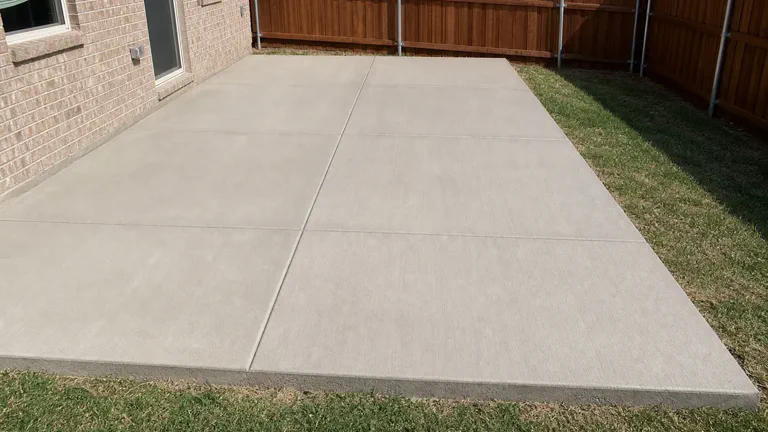
Backyard concrete is mostly an access and drainage decision
The right patio or utility slab is rarely the largest one that will fit. A better starting point is the furniture footprint, grill clearance, shed door swing, and how people move from the house to the yard. That keeps the finished area useful without wasting concrete in dead corners.
Backyard work also depends on access. Some properties allow easy equipment entry, while others require wheelbarrow routes, tight side yards, or careful protection around fences and landscaping. Those details affect how realistic the project is and what prep may be needed.
Drainage should be discussed before the slab is placed. Downspouts, low spots, pool equipment, existing patios, and fence lines can all change where water travels after a summer storm.
- Measure furniture, grill, shed, or utility equipment space before choosing slab dimensions.
- Check the path from street to backyard for gates, narrow turns, steps, or soft soil.
- Plan how the slab meets doors, patios, walkways, and lawn edges.
- Look for downspouts and low areas that could send water across the new surface.
Concrete planning standard
A slab sized for backyard life
Backyard concrete works best when it is sized around furniture, grills, sheds, and the walking route instead of filling every open patch of grass.
Access from the street, door transitions, downspouts, and low yard areas should shape the slab before finish choices are made.
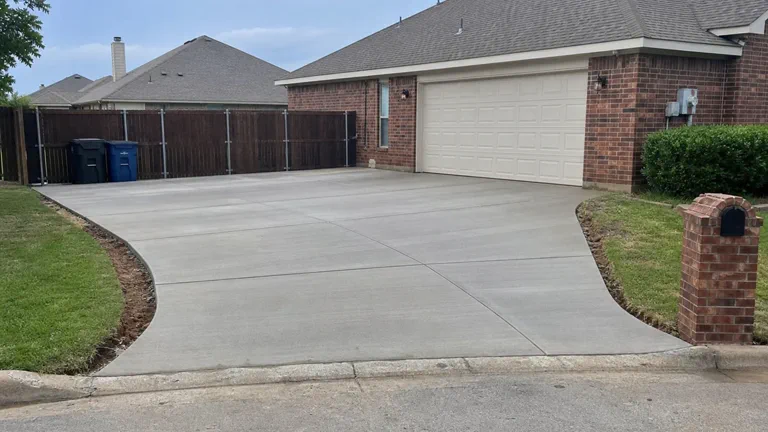
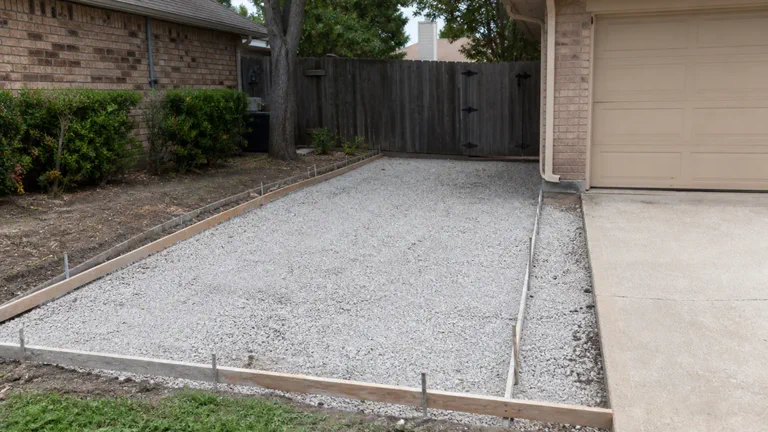
Patio and backyard slab questions
How big should a patio slab be?
The right size depends on furniture, grill placement, shade, door swing, walking paths, and whether the slab is for daily seating, storage, or a future cover. A little extra room around chairs and walkways usually matters more than the raw square footage.
Can concrete be poured in a tight backyard?
Often yes, but access affects the plan. Narrow gates, fences, pools, trees, sprinkler lines, and distance from the street can change prep time and how concrete reaches the backyard. Photos of the route from the street to the slab area help.
How long before we can use a new patio slab?
Foot traffic may be possible after the first couple of days, but furniture, grills, planters, and heavy items should wait longer. Weather, thickness, finish, and curing conditions affect the exact timeline.
What drainage details matter for patios?
The slab should not push water toward the house, door threshold, pool equipment, fence line, or low backyard corner. Grade, downspouts, nearby beds, and existing soil movement are all part of a practical patio plan.
What finish options work for backyard concrete?
Many patios use a broom finish for traction, but border details, joint layout, or decorative finishes may be worth discussing when the slab is highly visible. The finish should fit how the area will be used and maintained.
Start with the project
Size the Backyard Slab
Use the form to describe the property, city, approximate size, and what you want the finished concrete to solve. A conversation can then focus on useful next steps instead of starting from scratch.