Driveway widening for everyday parking
Driveway Extension Planning in DFW
When a driveway is one car too narrow, the problem shows up every day: tires drop into the grass, doors open into landscaping, guests block the garage, and the edge of the slab starts to crumble. A driveway extension should solve that daily friction without looking like a strip of concrete was tacked on later.
Where driveway extensions usually go wrong
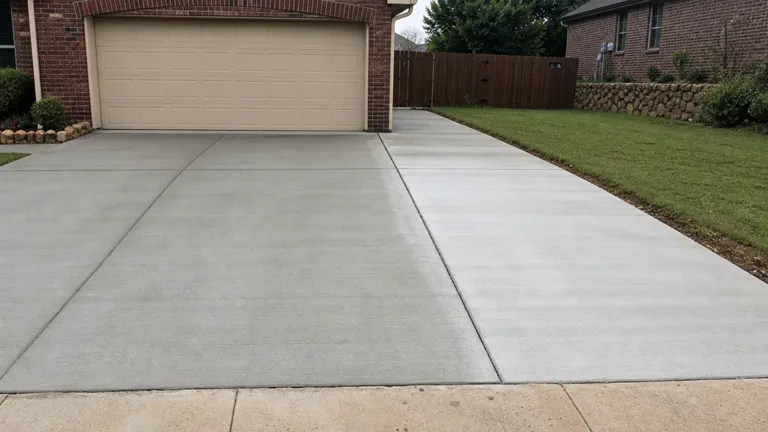
The first decision is not only square footage. It is where the new edge lands, how close the slab sits to fencing or landscaping, how doors open once a vehicle is parked, and whether the driveway still drains away from the garage. A narrow strip can help, but a poorly placed strip can leave the same turning problem with a new concrete bill attached.
In DFW subdivisions, the visual transition matters. A front-yard extension should look deliberate from the street, especially where an HOA may care about curb appeal. The conversation should cover joint layout, broom finish direction, the existing driveway color, and whether the extension reaches the sidewalk, curb approach, or only a side parking area.
What helps before a conversation: the number and type of vehicles, the current driveway width, where tires are crossing the lawn, sprinkler heads near the edge, visible cracks, and whether water sits along the side after a storm.
- Measure the parking problem from tire path to door swing, not just from slab edge to grass.
- Check whether the new concrete needs to meet the sidewalk, curb apron, garage approach, or a gate path.
- Look for sprinkler lines, utility lids, tree roots, and low spots before deciding the cleanest edge.
- Plan a finish and joint pattern that makes the addition read as part of the property.
Concrete planning standard
Parking space that looks intentional
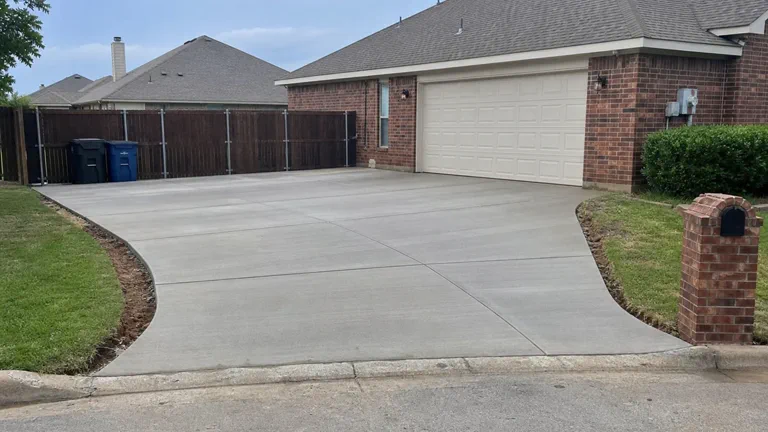
A good widening plan explains where the added edge lands, how vehicles will use it, and how the front of the home will look after the pour.
Clean driveway edges, planned joints, sprinkler awareness, and drainage away from the garage are the difference between added parking and an awkward strip.
Driveway widening questions
How much width is actually useful?
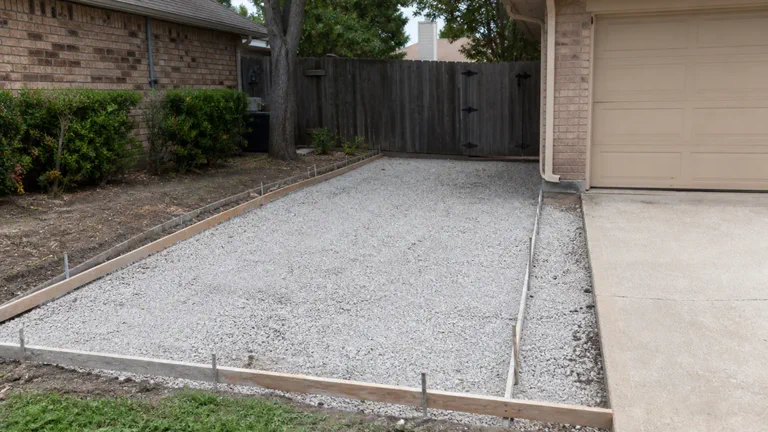
Useful width depends on door swing, vehicle size, garage access, trash-bin space, and where tires leave the existing driveway. The cleanest answer usually comes from measuring the daily parking pattern and leaving enough room for people to step out comfortably.
Will the new strip look patched on?
It can if the edge, joints, finish direction, and landscape transition are ignored. A deliberate layout helps the added concrete look like part of the property, even when the older driveway has weathering the new slab cannot perfectly match.
How do you handle drainage beside a driveway extension?
The plan should look at slope, downspouts, side-yard grade, fences, and where stormwater goes during heavy rain. Adding concrete without a drainage plan can push water toward the garage, foundation, neighbor, or low corner of the yard.
Can a driveway be widened for RV, boat, or trailer parking?
Often, but the slab may need different planning than a narrow passenger-car strip. Weight, turning path, gate opening, pad thickness, base prep, city rules, and long-term access all matter more when the surface will carry a trailer, boat, or RV.
What should I check before asking about widening?
Look for sprinkler heads, drainage along the driveway edge, HOA rules, utility boxes, sidewalk or curb tie-ins, tree roots, and cracks in the existing slab. Rough measurements and photos from the street and side yard are useful.
Start with the project
Widen My Driveway
Use the form to describe the property, city, approximate size, and what you want the finished concrete to solve. A conversation can then focus on useful next steps instead of starting from scratch.