Driveway Extensions and Widening
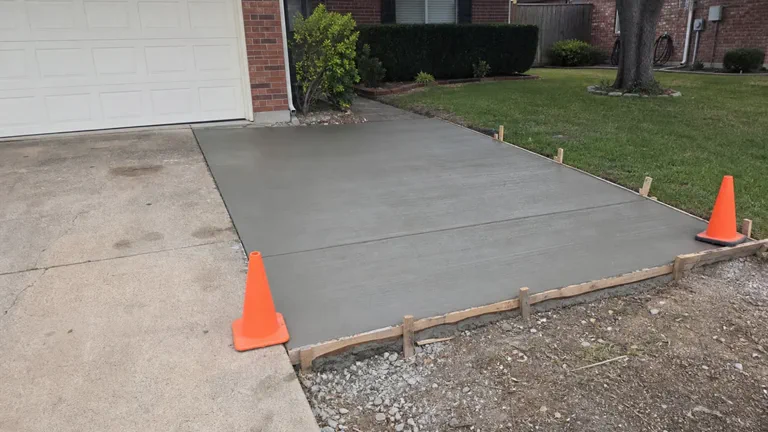
Widen an existing driveway, add a parking strip, improve the garage approach, or create room for an extra vehicle without making the front yard look patched together.
Explore driveway extensionsDRIVEWAY EXTENSIONS • PARKING PADS • CONCRETE FLATWORK
Common driveway and concrete problems
Driveway extension planning usually begins with a practical problem: not enough parking, cars rolling onto grass, RV or boat storage, cracked edges, drainage toward the garage, or a side yard that needs safer access. You can start with that problem first. The follow-up can sort out how the new slab should connect to the existing driveway, handle water, support vehicles, and fit DFW soil and weather.
Concrete thickness and mix strength should match how the space will be used. Many residential driveway extensions use 3,000 to 4,000 PSI concrete depending on the project, soil conditions, and expected vehicle load.
Most standard driveway extensions are poured at approximately 4 inches thick for everyday passenger vehicles, while 5 to 6 inches may be recommended for trucks, trailers, RVs, boats, or heavier-use parking areas.
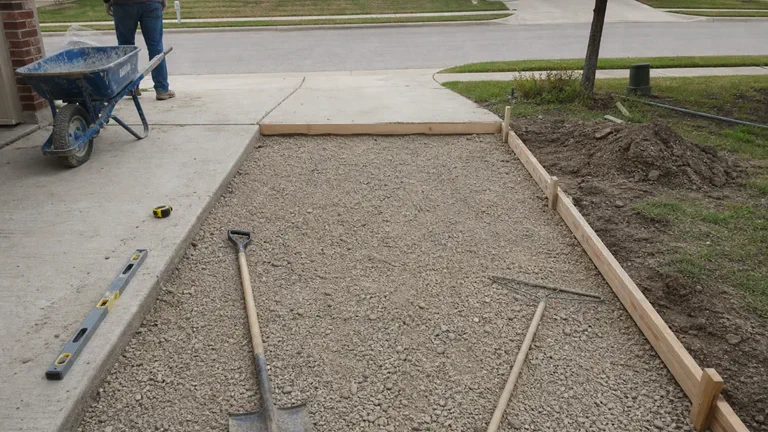
Proper excavation, compacted base material, form placement, reinforcement, and grading all help reduce settling, drainage problems, and premature cracking.
Because DFW's expansive clay soil can shift with heavy rain and dry heat, slope and water movement matter so the finished surface does not create low spots near the slab, garage, sidewalk, lawn, or foundation.
Reinforcement options such as rebar, wire mesh, or fiber-reinforced concrete may be used when the project calls for additional support. The right plan depends on slab size, vehicle load, soil conditions, and how the extension will be used.
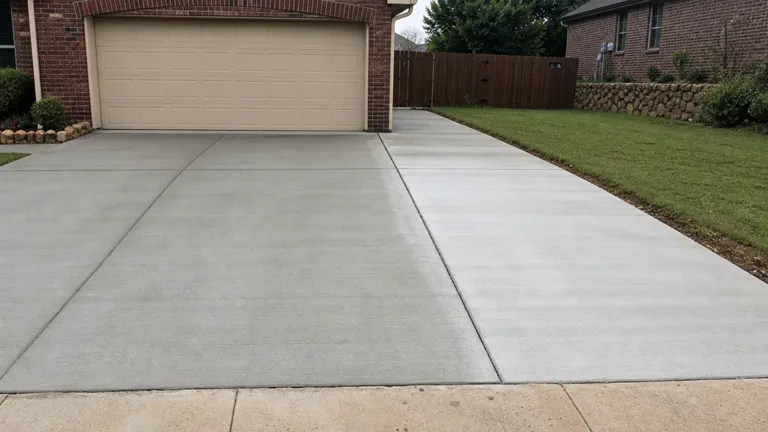
The goal is not just extra concrete beside the house. The goal is a useful surface with the right base, slope, reinforcement, finish, and layout for North Texas conditions.
 (682) 568-8837
What the service includes
DFW Driveway Extensions plans concrete work around how the property is used, not just how many square feet can be poured. Homeowners, property managers, and small commercial sites often need the same core answers: where the concrete should go, how thick it should be, how water will move, and how the finished surface will hold up in North Texas conditions.
Use this page to choose the service that fits what you need, then call or request a callback if you want help narrowing down the next step.
Main service options
Widen an existing driveway, add a parking strip, improve the garage approach, or create room for an extra vehicle without making the front yard look patched together.
Explore driveway extensions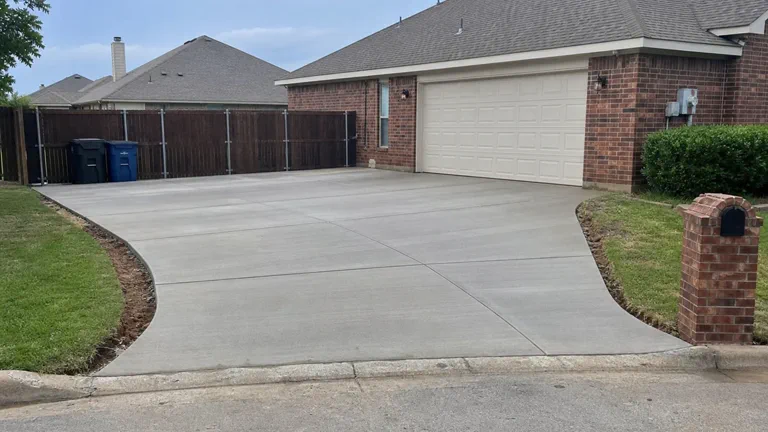
Plan new driveway sections, replacement panels, aprons, and tie-ins with attention to slope, base condition, thickness, joints, and traffic load.
Review driveway concrete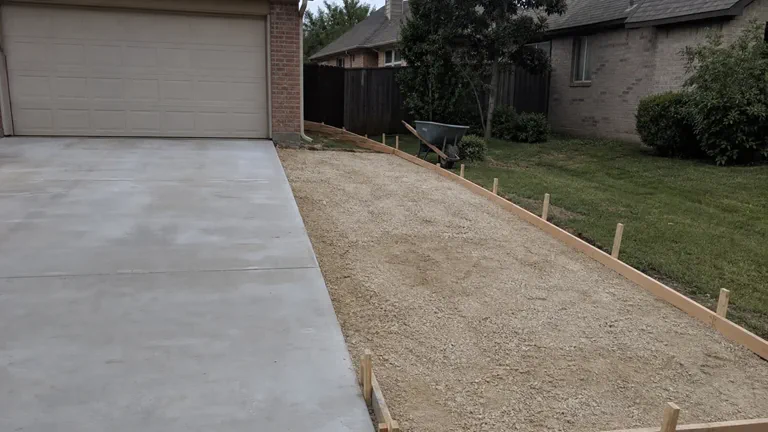
Scope heavier-use parking areas around vehicle weight, turning path, gate access, edge support, drainage, and the long-term load placed on the slab.
Plan a parking pad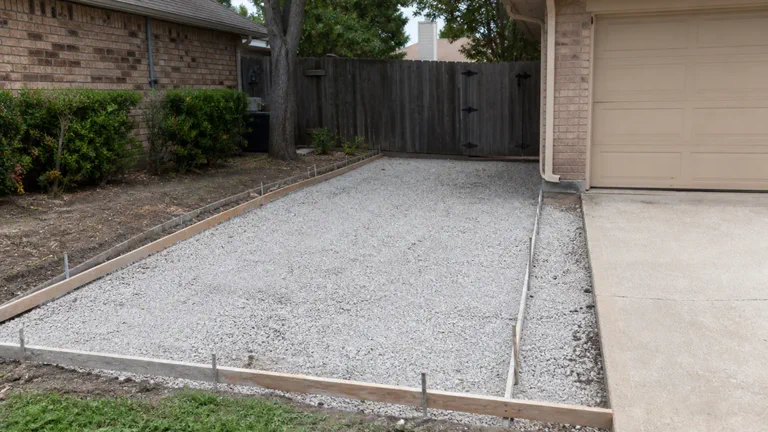
Build useful backyard surfaces for seating, grills, sheds, walkways, and outdoor living areas while keeping grade, drainage, access, and finish in the plan.
Review patio slabsConnect driveways, side gates, garages, patios, sheds, and backyard features with concrete paths that are easier to use and less likely to trap water.
See walkway options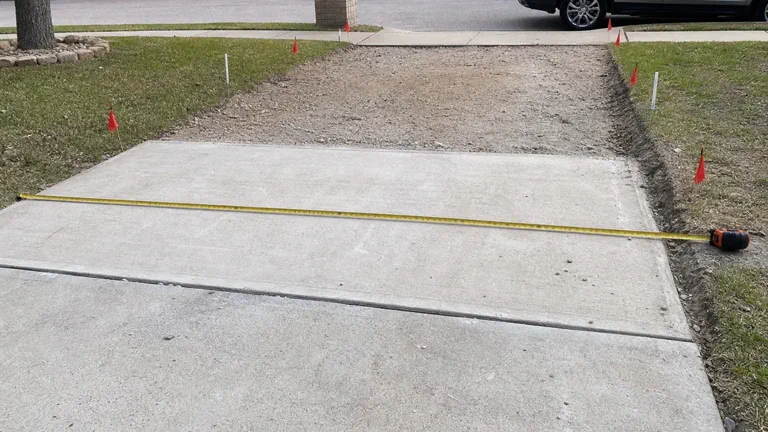
Discuss whether a cracked, sunken, stained, or worn slab should be repaired, resurfaced, tied into, or replaced before adding more concrete beside it.
Understand cost factorsResidential and small-property needs
Residential concrete usually starts with daily use: parking, walking, storage, outdoor living, and the way vehicles move around the home. Commercial concrete may add heavier traffic, delivery access, pedestrian routes, drainage exposure, and tighter scheduling needs.
Both kinds of projects need the slab plan to match real use. Thickness, PSI, reinforcement, base prep, joint layout, access, finish, and curing timing can be discussed after you explain what the concrete needs to do.
Driveway extensions, parking pads, patios, walkways, garage approaches, side-yard slabs, and backyard concrete planned around daily home use.
Small commercial flatwork, access pads, walkways, service areas, and concrete repairs planned around traffic, drainage, durability, and site access.
Low-pressure next step
Start with the plain-language problem: more parking, a wider approach, a pad for an RV or trailer, a side-yard path, a patio slab, cracked concrete, or drainage concerns.
The follow-up can cover the project type, city, access, vehicle use, drainage, existing concrete condition, timing, and whether the work is likely to be an addition, repair, resurfacing, or replacement. You can start with the plain-language problem, even if you do not know the right concrete solution yet.
From there, the concrete plan can match thickness, reinforcement, base prep, control joints, finish, and curing timing to the expected load and North Texas weather conditions.
Cost and scope factors
Concrete cost and scope depend on more than square footage. The size of the area, thickness, base prep, reinforcement, drainage, access, finish, demolition, repair needs, and expected vehicle load can all change the quote.
You do not need all of those answers before reaching out. A good quote follow-up should help identify which factors matter for your driveway extension, parking pad, patio, walkway, or repair.
Heat, expansive clay, heavy rain, and dry spells all affect concrete. A better plan accounts for water movement, base support, and joint placement before the pour.
A useful estimate should explain square footage, concrete thickness, PSI mix, reinforcement method, base preparation, finish type, drainage concerns, and timing in terms you can understand.
Transitions, edges, broom direction, borders, and control joints should make the finished concrete look intentional instead of like leftover pavement.
Most residential concrete can usually handle light foot traffic after about 24 to 48 hours, but vehicle use normally needs more time. For driveways, parking pads, and RV areas, the safe timeline depends on slab thickness, weather, mix design, and how heavy the vehicle is. A typical plan is to protect the surface during the first week and avoid heavy loads until the concrete has had more time to gain strength.
Maintenance is usually simple: keep the surface clean, keep soil and mulch from holding moisture against the edges, manage downspouts, and watch joints or low spots after heavy rain. Sealing may be worth discussing for decorative finishes, exposed areas, or surfaces that see frequent staining, but the right approach depends on the finish and use.
No honest contractor can promise concrete will never crack. The goal is to reduce avoidable cracking with proper base prep, thickness, reinforcement when appropriate, control joints, smart drainage, and curing conditions. For DFW homes, soil movement, heat, and sudden storms make layout and joint planning especially important.
Concrete is usually chosen when the goal is a clean, durable slab for parking, turning, walking, or storing a trailer. Pavers can work well for decorative patios or flexible surfaces, but they involve more individual units and edge restraint. The better choice depends on load, budget, look, drainage, and how the new area needs to connect to the existing driveway.
Sometimes. Small surface wear, minor edge issues, or a usable slab may only need cleaning, joint attention, or a carefully planned addition beside it. Replacement becomes more realistic when the existing concrete is badly cracked, sunken, thin, holding water, or in the way of a safe new layout.
Heat, wind, cold snaps, rain, and saturated clay soil can all affect timing. Hot weather can make concrete set quickly, while storms can interrupt prep or finishing. A practical plan accounts for forecast windows, site drainage, access, and whether the ground is ready before forms and concrete are scheduled.
For driveway extensions and parking pads, many homeowners keep the finish simple so the new section blends with the existing driveway. Broom finishes, clean control joints, border details, and carefully placed transitions are common. More decorative choices may be better for patios, walkways, and visible backyard areas.
Warranty terms depend on the contractor, the scope, and the condition of the existing site. Before work begins, ask what is covered, what is excluded, how drainage or soil movement is handled, and what maintenance is expected from the homeowner.
Start with the use case: extra parking, easier turning, RV or boat storage, a side-yard path, a patio slab, cracked concrete, or a drainage concern. You can call or fill out the form with a short description, and the follow-up can ask any extra questions if more information is needed.